Language as a Clinical Issue
A patient who can’t explain a symptom clearly, or can’t follow what the doctor says back, is at risk. Patients facing language barriers are less likely to stick with a treatment plan and more likely to miss warning signs. In an emergency, a misunderstanding can cost a life. In primary and chronic care, the damage is slower: conditions go unmanaged and patients stop trusting the people treating them.
Puerto Rico is mostly Spanish-speaking, but much of its healthcare system runs in English. Federal programs, insurance paperwork and clinical guidelines are written in English first. Many providers trained on the mainland, billing systems were built for English-speaking markets, and plenty of patient handouts have never been translated. Patients and caregivers deal with this every day. Sanavia Health Partners treats bilingual care as part of how care is delivered, not as an add-on.
Building a Bilingual Workforce
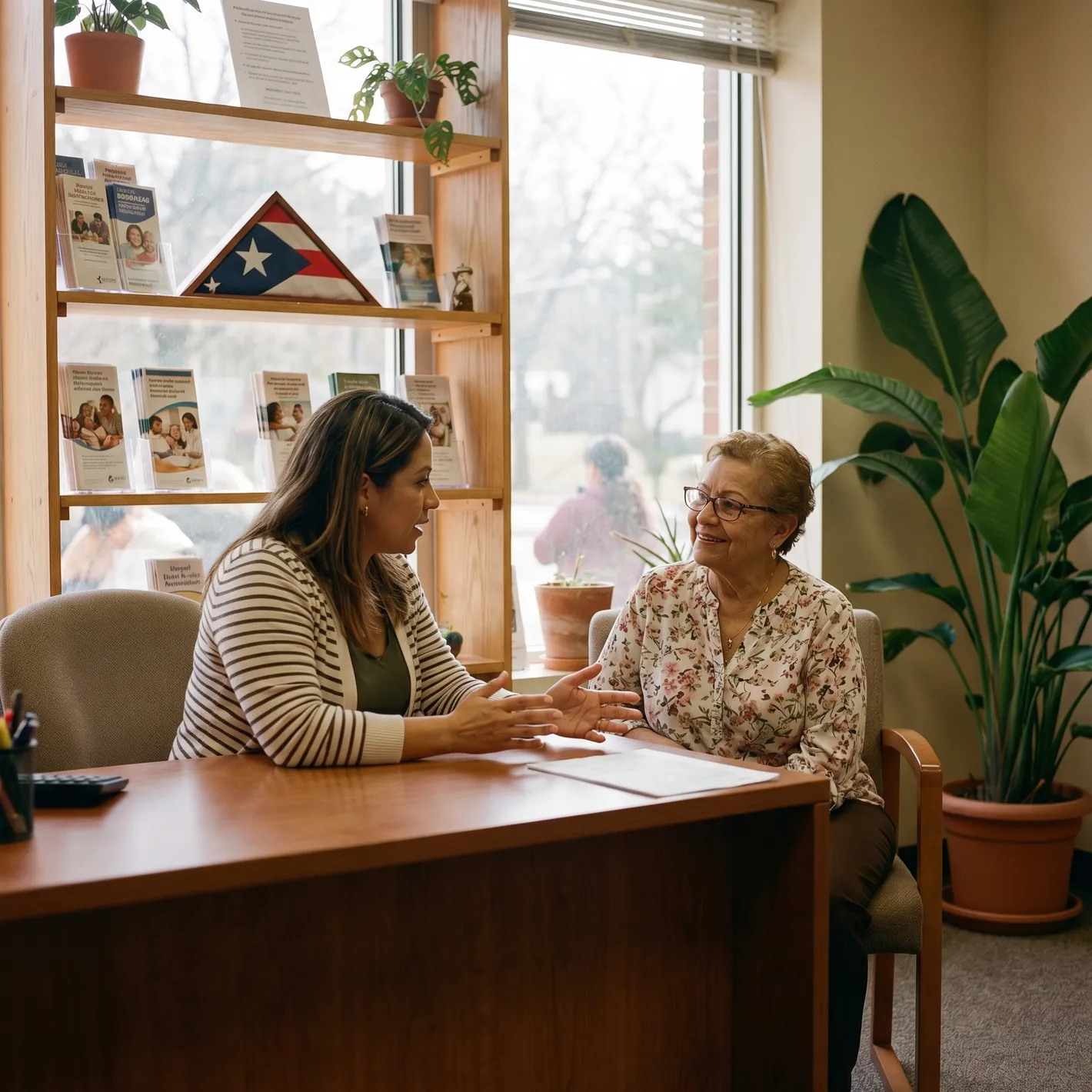
The best fix for a language gap is staff who already speak both languages. Sanavia hires bilingual clinicians, care coordinators and community health workers who work fluently in Spanish and English. Interpreters stay available, but they are the backup, not the plan. From the first intake call to the follow-up message after a specialist visit, patients deal with people who understand them.
Speaking the language is only half of it. Sanavia also trains care teams on how culture shapes the way patients think about illness and treatment. A patient from a rural municipality may come to a visit with different expectations than a patient from metro San Juan, and a good care team adjusts to that.
Technology in the Patient’s Language
Sanavia’s MyChron platform was built bilingual from the start. Appointment reminders, care plan updates and health education materials go out in Spanish or English, based on the language saved in the patient’s profile. That setting follows the patient everywhere: someone who gets a reminder in Spanish should not get their lab results notice in English.
Care teams can also see a patient’s language preference when they pass care along. A specialist who receives a referral knows before the first visit how that patient prefers to communicate. It is a small detail, and handoffs like this are where patients often fall out of care.
Health Literacy and Patient Education
Language is one problem. Health literacy, being able to understand health information and act on it, is another. Sanavia writes patient materials in plain Spanish and plain English, and community members review them for clarity. The goal is not a word-for-word translation of clinical text but material a patient with little medical background can use.
Community health workers carry much of this work. They meet patients at home, in community centers and at health fairs, and explain things in a setting patients already trust. That takes the care team’s reach well beyond the clinic.
A Foundation for Trust
In the end, bilingual care is about trust. Patients who know they will be understood share more with their care team. They ask more questions, follow through on referrals and come in for preventive care before a problem turns serious. That trust is what Sanavia’s patient-centered model depends on.